
A Buyer’s Guide to the Most Popular Diamond Earring Styles
There are several popular styles of diamond earrings. If you are buying your first pair, choose round studs with screw backs. Studs suit daily wear. Hoops and huggies add movement. Drops work best for evenings out. Halos make small stones look bigger. We have helped customers choose earrings in Cranford, NJ since 1945. Our owner is an American Gem Society Certified Gemological Appraiser. This guide shares what we see at our counter.
Why Are Diamond Stud Earrings Still the Most Popular Pick?
A stud is one diamond in a simple setting. It is located near your lobes. It can be worn to work or to a wedding. Most of our customers start here.
Start with size. Carat total weight, or ctw, counts both stones together. A 1/2 ctw pair measures about 4 mm per stone. A 3/4 ctw pair measures about 4.7 mm. A 1 ctw pair measures about 5.2 mm. Many people expect a big jump from 1/2 to 3/4 ctw. On the ear, the change is small. You notice the difference at 1 ctw.
Next, pick a shape. Round stones give the most sparkle. Princess cuts look sharp and modern. Cushion cuts look softer.
Then look at the setting. A four-prong setting shows more of the diamond. A martini setting sits low and light. A bezel wraps metal around the stone. It suits an active lifestyle.
Finally, choose screw backs. We suggest them for daily wear. A lost stud is hard to replace. Matching one stone to its partner takes time.
Are Hoops and Huggies Worth Considering?
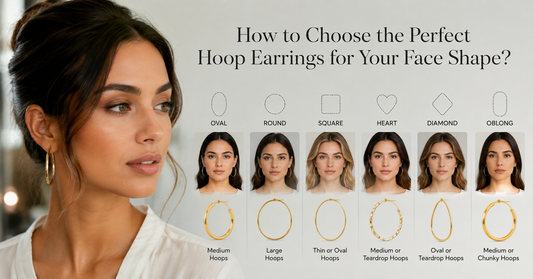
Yes, they are. Hoops give you more presence than studs. Huggies are small hoops that hug your lobe. You can wear them all day. Larger hoops swing more. They can catch on your hair and scarves. We suggest larger hoops for special occasions.
Check the thickness and the diameter. A slim, larger hoop often looks bigger than a small, heavy one. Inside-out hoops carry diamonds on both sides. They sparkle from the front and the back. They cost more because they use more stones. Test the closure too. You want a firm click.
What About Drops, Chandeliers, and Ear Climbers?
Drops hang below your lobe. They move when you move. They suit weddings and formal events. Chandeliers are the fancy version. They have tiers of stones. Ear climbers run up the side of your ear. They look modern.
Ask what the pair weighs. Heavy drops can pull on your lobe. You may take them off after a few hours. Check the links too. They should feel sturdy. The post should be thick. We suggest drops as your second pair, not your first.
Do Halo and Cluster Earrings Make Diamonds Look Bigger?
They do. A halo puts small diamonds around a center stone. This adds sparkle and visible size. A 1/2 ctw halo pair can look like a larger plain pair. That stretches your budget. Pavé settings work the same way. Tiny stones sit close together on hoops and drops.
There is one trade-off. Small stones sit in fine metal. They can loosen over time. Ask your jeweler to check the prongs once a year.
Are Lab-Grown Diamond Earrings Worth It?
Lab-grown diamonds have the same chemistry as mined diamonds. They have the same crystal structure. They have the same hardness. Only the origin is different. They usually cost less at the same size and quality. Many buyers use the savings to go up a size.
Choose the Right Diamond Earrings for Your Budget
Spend your money in this order:
- Cut first. Cut drives sparkle in small stones. Look for Excellent or Very Good on round diamonds.
- A true match. Both stones should look the same. Compare size, color, and brightness. Pull your hair back. Check both ears in a mirror at arm's length. This shows what other people see.
- Color and clarity. Earrings sit far from the eye. Color grades G to I often look white. Clarity around SI1 to SI2 often looks clean. Confirm the stones are eye-clean.
- Metal. 14k gold wears well every day. 18k has a richer color. It is a little softer. Platinum is dense and durable. It suits sensitive ears. White gold is usually rhodium-plated. It needs re-plating every few years.
Here is the mistake we see most. Buyers spend the whole budget on carat weight. They settle for a weak cut. A slightly smaller, well-cut pair almost always looks better. We would choose the better cut every time.
What Should You Check Before You Pay?
Take a minute before you buy. We suggest this quick check:
- Ask for the total carat weight.
- Ask for the millimeter size of each stone.
- Ask for a grading report on larger stones.
- Look for the karat stamp on the metal.
- Test the backs. They should feel firm.
- Read the return and exchange policy.
- Ask about an appraisal and insurance.
Many buyers forget the last step. Earrings are small. They are easy to lose. An appraisal and insurance give you peace of mind.
Why Choose Us?
Martin Jewelers has served Cranford, NJ since 1945. You can always reach the owner directly. Ellen Ramer is an American Gem Society Certified Gemological Appraiser. Jeff Robbins, our manager, is a Registered Jeweler. A Master Bench Jeweler works in our store. We are also an American Gem Society Accredited Gem Lab. We take time to explain what you are buying.
Conclusion
Choosing diamond earrings guide comes down to how you live. Studs suit daily wear. Hoops and huggies add easy sparkle. Drops fit special occasions. Halos give you a bigger look for less. Put cut and a true match ahead of size. Pick a secure setting. Decide between natural and lab-grown before you shop. Then try a few pairs in person. That is the fastest way to see what you will wear.
Tags:
Previous
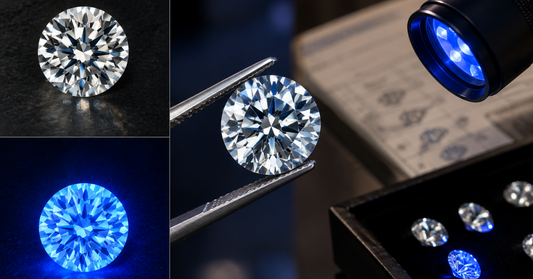
What Is Diamond Fluorescence and Does It Matter When Buying a Diamond?
Next
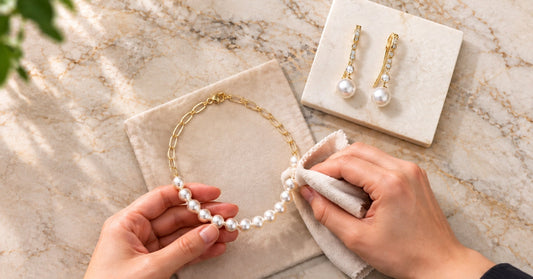
Pearl Jewelry Care: Cleaning, Storing and Restringing Tips